











#The Allegations
In a shocking revelation, a Twitter user, Anmol Sharma, who identifies himself as an entrepreneur, has come forward to expose what he calls the “delayed funding scam” associated with the popular Indian business reality television program, Shark Tank India. According to Sharma, contestants on the show are left frustrated and broken due to the unfulfilled promises made by the sharks and the Sony network.

##Unveiling the Scam
Sharma took to Twitter to share his firsthand account of the alleged scam, shedding light on the plight of many disappointed contestants. In his series of tweets, he highlighted how these participants had presented compelling business pitches on national television and were promised funding but have not received any financial support from Shark Tank India.
#The Shark Tank India Timeline
To better comprehend the situation, let’s delve into the timeline of events on Shark Tank India. The registration process for the show usually takes place from June to July, while the actual physical pitches occur between August and November. By December to January, the Sony team wraps up post-production work to prepare the show for airing. Sharma emphasizes that if a startup receives a funding commitment between August and November, they should expect to receive the funds within two months, as the due diligence and legal procedures typically do not extend beyond that timeframe.

However, he alleges that some startups are deliberately subjected to delays and distractions when the show is aired. These tactics are used to create further hindrances in the investment process, potentially enabling the sharks to avoid fulfilling their financial commitments. Sharma also reveals instances where startups, due to their association with Shark Tank India, are denied funding from other investors who question the show’s credibility. This situation puts the entrepreneurs in a predicament, as they are left with the question: “Have the Sharks invested in you? If they have, come back to us.” It is important to note that the specific names of the entrepreneurs facing these challenges are undisclosed at this time.
#The True Beneficiaries
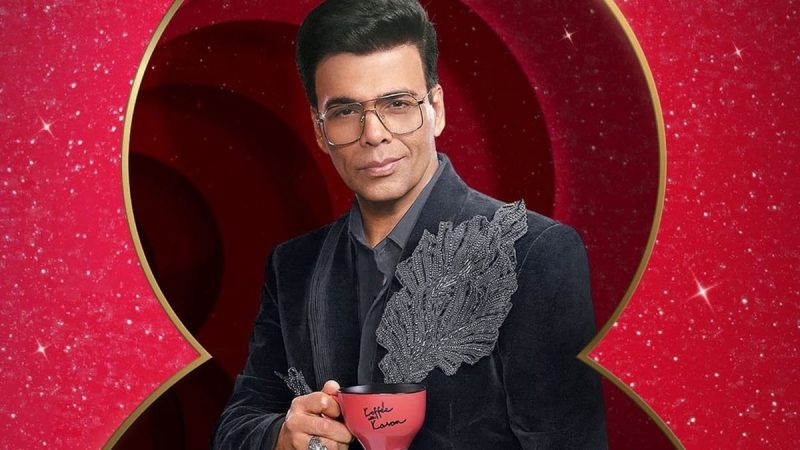
According to Sharma, Shark Tank India primarily benefits the sharks and the Sony network rather than the aspiring entrepreneurs. The show aims to sensationalize entrepreneurial activities to attract viewers and boost their TRP ratings, consequently providing the sharks with increased social recognition and a platform to promote their personal brands. Sharma highlights the successes of various individuals associated with the show, such as Lenskart founder Peyush Bansal, who has gained significant recognition and even appears in his own TV commercial alongside Karan Johar. Additionally, he mentions former shark Ashneer Grover, who sparked controversies and achieved remarkable book sales upon the launch of his publication. Grover is also seen in advertisements for CrickPe. Similarly, Anupam Mittal and Aman Gupta, co-founders of boAt, have garnered substantial recognition, as evident from their active participation in conferences, podcasts, and red-carpet events. Although the show owes its success to the aspiring entrepreneurs who participate, it seems that the sharks and Sony have reaped greater benefits, raising questions about accountability and fairness.
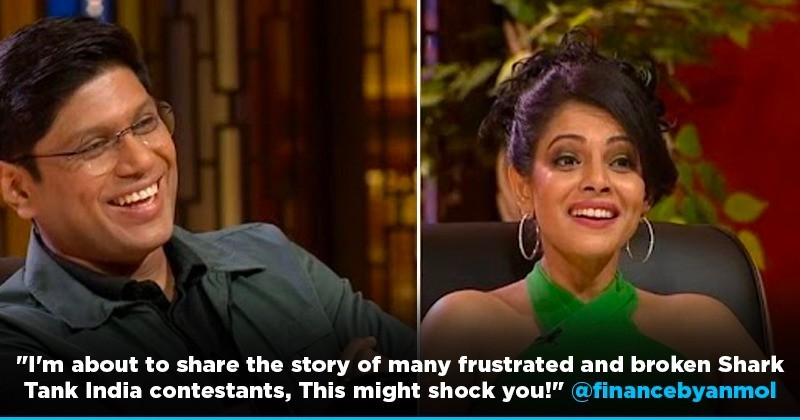
🚨Shark Tank India 'Delayed Funding' Scam! 😥
Today I'm about to share the story of many frustrated and broken Shark Tank India contestants, 😓
This might shock you!
1/n pic.twitter.com/r3lPaZKDsT
— Anmol Sharma (@financebyanmol) June 10, 2023
#Awaiting Response
As of now, the allegations made by Anmol Sharma against Shark Tank India have not received any response from the television station or the eight executives involved, namely Ghazal Alagh, Namita Thapar, Vineeta Singh, and Amit Jain, in addition to the sharks previously mentioned.
#Conclusion
The allegations of a “delayed funding scam” in Shark Tank India, brought to light by Anmol Sharma, have cast a shadow over the credibility of the show. The claims made by Sharma highlight the struggles faced by contestants who expected financial support but were left disappointed. The true beneficiaries, as he argues, appear to be the sharks and the Sony network, who capitalize on the entrepreneurial endeavors for their own gains. The response from the station and the executives involved is eagerly awaited to address these serious allegations and restore faith in the integrity of Shark Tank India.


