


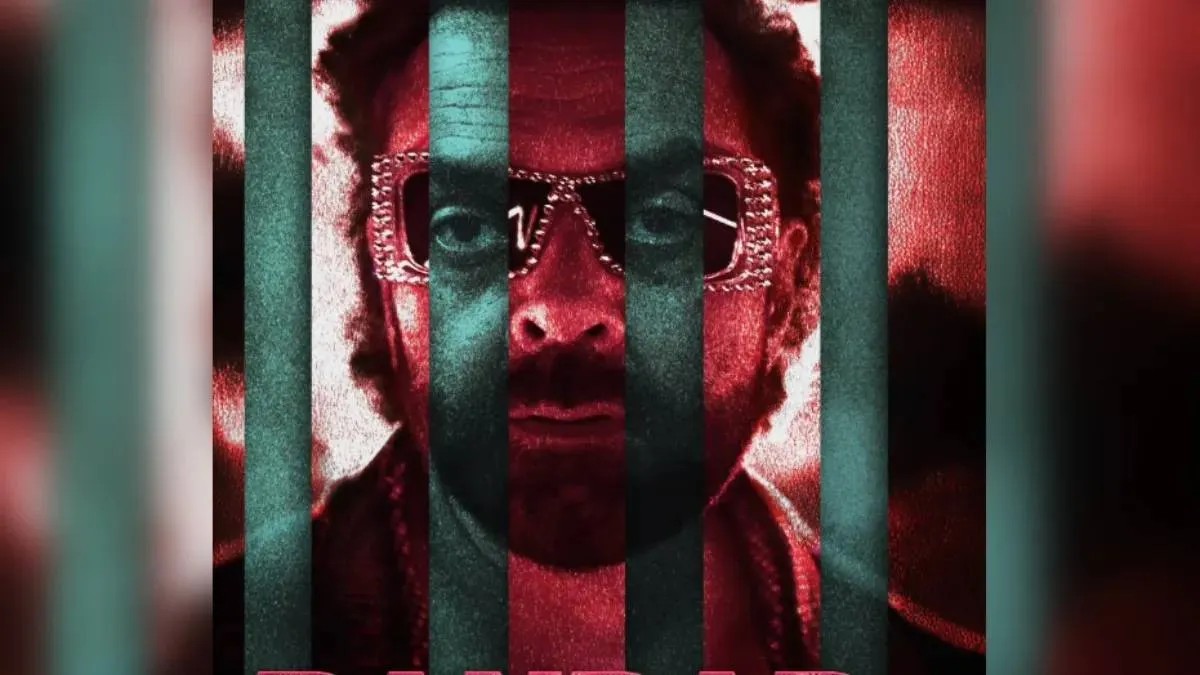



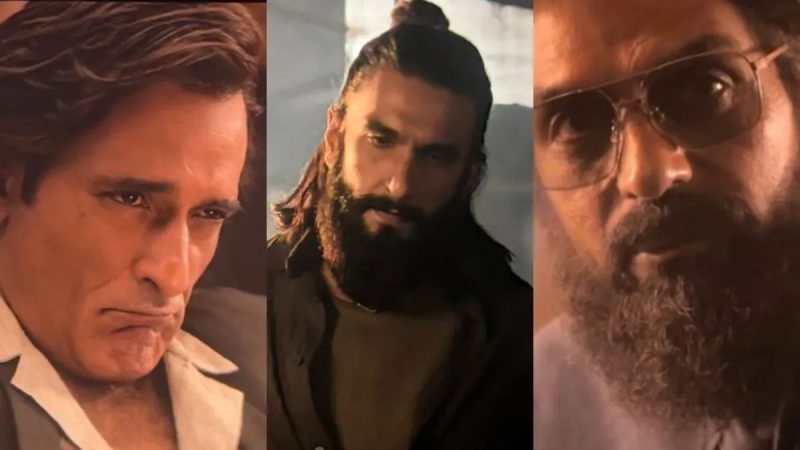


In his film “Swatantrya Veer Savarkar,” actor turned producer-director and writer Ranadeep Hudda endeavors to intricately depict the pages of history, which according to its creators, were given a ‘murder’ under a plan. The film, with the tagline “He Killed His Story,” delves into the life of Vinayak Damodar Savarkar, one of the heroes of the Indian freedom struggle, and reveals his life and armed revolutionary policies. Ranadeep Hudda himself portrays Savarkar in the film. The film depicts how Savarkar, with his vision to liberate India from British rule and strengthen his organization, was leading ahead. If he had succeeded, the country would have gained independence much earlier.
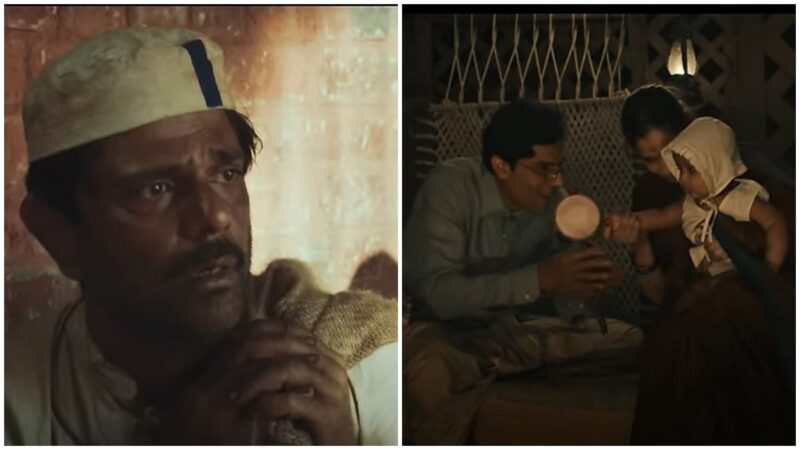
The story of the film “Swatantrya Veer Savarkar” begins with the plague epidemic. Savarkar’s father falls victim to the plague epidemic. The British police officers, infected with the plague along with Savarkar’s father, burn alive all the infected people. Savarkar’s resentment towards the British government has been since childhood. After growing up, he forms the Abhinav Bharat Secret Society for the independence of the country and connects the youth who want to free India from British rule to this organization. He goes to London for legal studies and tries to strengthen his organization there, leading to his imprisonment in the Cellular Jail. After serving his sentence in the Cellular Jail, he is arrested on charges of conspiring in Mahatma Gandhi’s assassination, but due to lack of evidence, he is released.
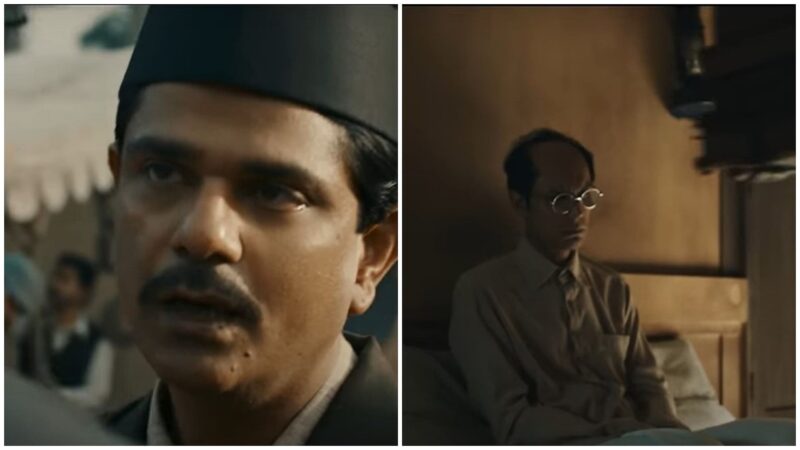
The film “Swatantrya Veer Savarkar” tries to show the unheard aspects of Savarkar’s life, emphasizing that he was not influenced by Gandhi’s non-violence philosophy at all. He respects Gandhi but opposes his ideology. This film also highlights the development of Hindu nationalism political ideology along with the ideologies of Subhash Chandra Bose and Savarkar. Ranadeep Hudda has co-written this film with Utkarsh Naithani, and the impact of Hudda’s research on this film is evident throughout. Through this nearly three-hour film, Ranadeep Hudda sheds light on aspects of Savarkar’s life that the general public is completely unaware of. He also raises the question through this film why no Congress leader was sentenced to Cellular Jail.
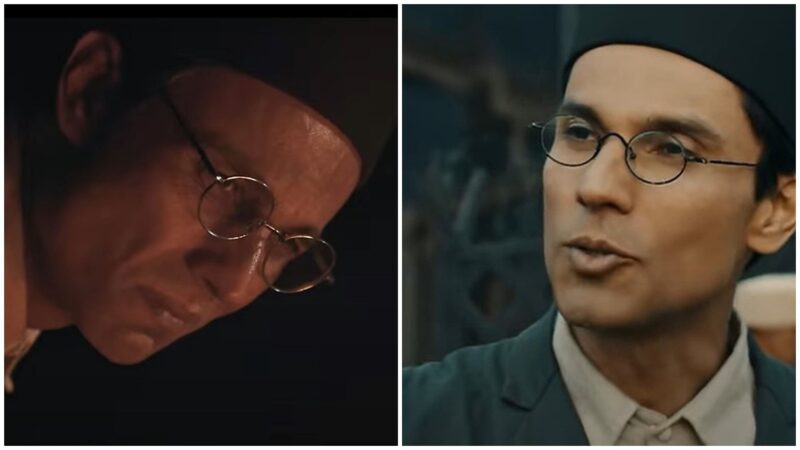
The direction of the film “Swatantrya Veer Savarkar” was initially handled by Mahesh Manjrekar, but due to ideological differences with Ranadeep Hudda, Mahesh Manjrekar left the film, and Ranadeep Hudda himself took over as the director of the film. Although this is Hudda’s first film as a director, the way he has presented this film with grandeur and depth is commendable. Scenes depicting the Cellular Jail are spine-chilling, and emotional scenes in the film are also very impactful. The pace of the film is a bit slow before the interval, but after the interval, the film picks up its grip and many dialogues of the film receive applause in the cinema hall.
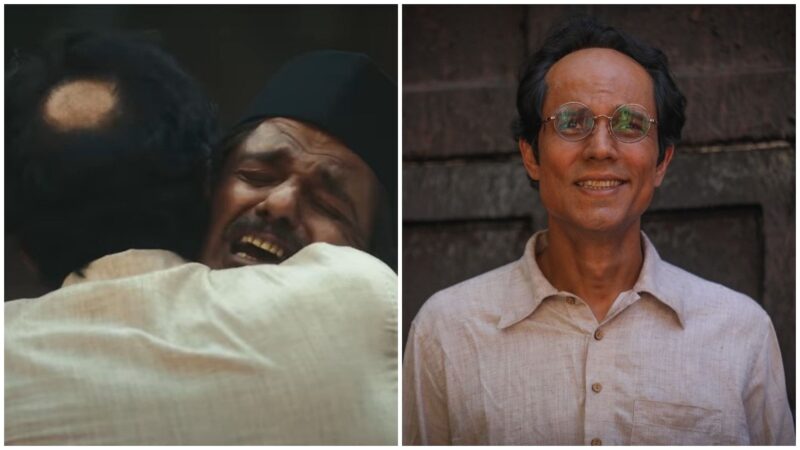
The entire film rests on Ranadeep Hudda’s shoulders. The way he has transformed himself for the role of Savarkar in the film “Swatantrya Veer Savarkar” is very effective. Whenever he appears on screen, he leaves a different impression. He has brought Savarkar’s character to life on screen entirely. Although Ankita Lokhande got less screen time to portray Savarkar’s wife Yashodabai, she has tried to do justice to her role. Amit Siyal’s portrayal of Savarkar’s elder brother is excellent. Hudda also believes that the story of Baba Savarkar could be made into a separate film.
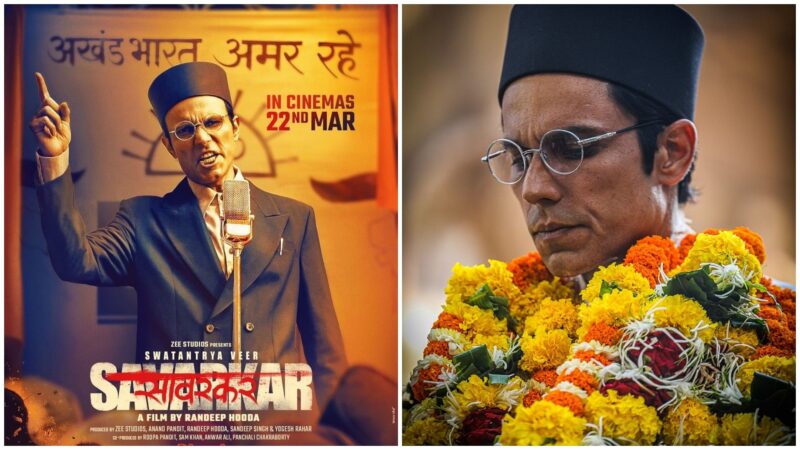
The weakest link of the film “Swatantrya Veer Savarkar” is its supporting cast. The actors portraying Gandhi, Nehru, and Jinnah do not resemble Gandhi, Nehru, and Jinnah at all. The casting director Parag Mehta has cast supporting actors whose appearance does not match with the freedom fighters of that era. The casting of the film, apart from the main characters, is such that they do not seem to have any connection with the freedom fighters of that era. Most of the film’s shooting took place on sets, and these sets look very realistic. In this regard, the work of set designer Nilesh Wagh is commendable. The film’s music is average. There should have been at least one song in the film based on patriotism that could boost morale upon hearing it. However, there is no such song in this film. The background score of the film has indeed helped in making the scenes of the film impactful. Arvind Krishna’s cinematography is excellent; he has beautifully presented that era on screen. The editing by Kamalesh Karn and Rajesh Pandey is a bit sluggish before the interval, but after the interval, this deficiency does not persist. Costume designer Sachin Lovalekar has designed the costumes of the artists according to that era very well.


