
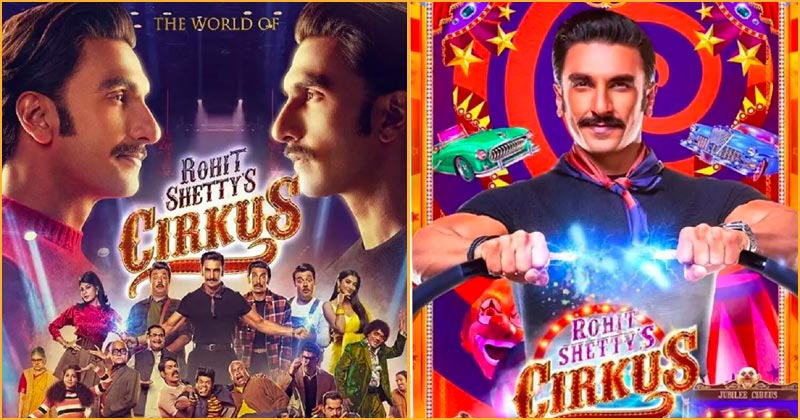










It is the year 1942 and the city is Bangalore, as depicted in Rohit Shetty’s film. The story begins with Roy Jamnadas of the Jamnadas Orphanage (as seen in the film Golmaal) conducting an experiment in which he swaps two sets of identical twins to demonstrate that upbringing is more important than blood relation. It seems that people had a lot of free time in those days. In addition, it is noteworthy that the parents of the four children all named them Roy (played by Ranveer Singh) and Joy (played by Varun Sharma) in honor of the founders of the orphanage.
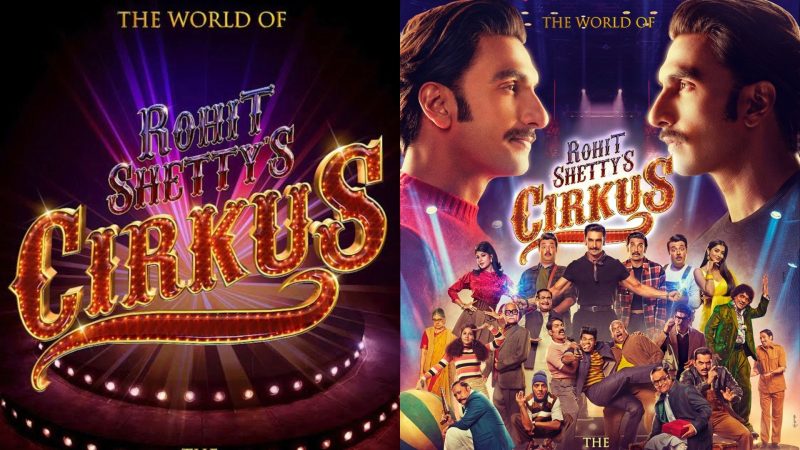
The story revolves around two pairs of identical twins named Roy and Joy. One pair lives in Bangalore and runs a business, while the other pair performs in a circus in Ooty. The Ooty-based Roy becomes famous as the “Electric Man” due to his connection with electricity. The plot follows what happens when these two pairs of twins come face to face (spoiler alert: not much of interest occurs). The premise may seem absurd, but that is how it is presented in the story.
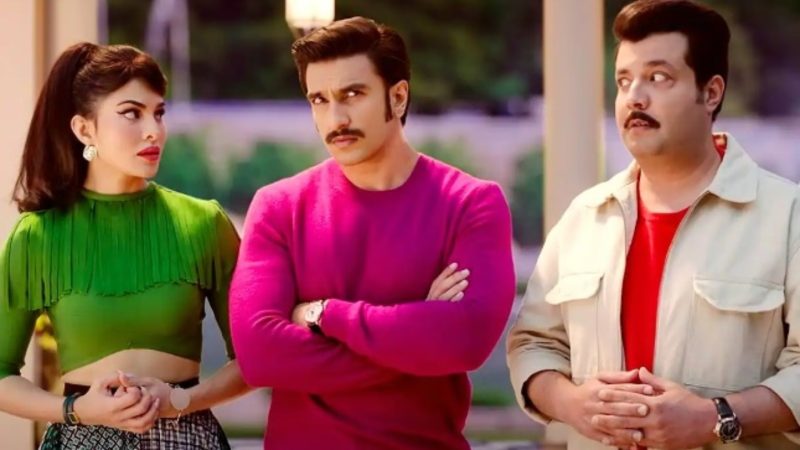
This story was inspired by Gulzar’s classic film Angoor, which itself was a remake of Do Dooni Char, which was based on William Shakespeare’s play The Comedy of Errors. Like many of Rohit Shetty’s comedies, this one relies heavily on gags and moments of chaos that are meant to be humorous but ultimately contribute to a chaotic and disorganized narrative. It is a hot mess that fails to live up to the original works that inspired it.

The gags and jokes in this film may initially make you laugh, but they quickly become repetitive and lose their impact. The dialogues, written by Farhad Samji, Sanchit Bedre, and Vidhi Ghodgaonkar, range from slapstick to cringeworthy. The film’s supposed emotional core, the idea that upbringing is more important than blood relationships, gets lost in its efforts to be funny. As a result, the film becomes increasingly frustrating to watch as it fails to deliver on its comedic and emotional promises.
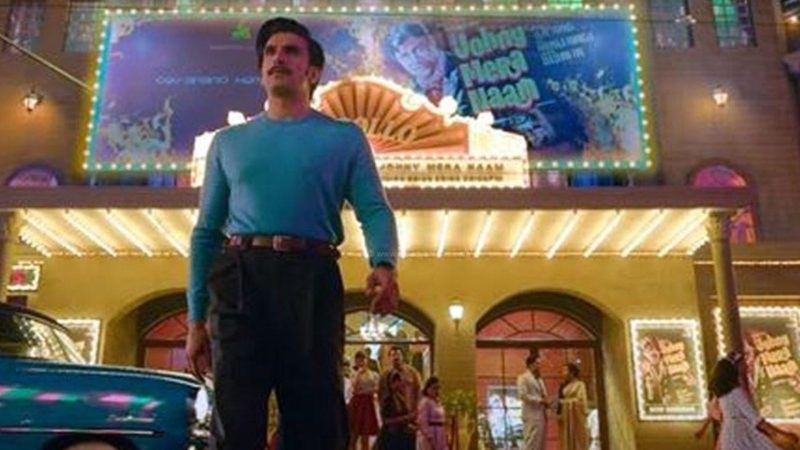
In the future, it is unlikely that this film will be remembered or watched, but it is possible that a compilation of funny scenes featuring Sanjay Mishra from the film may gain more views on YouTube. While the entire cast of Cirkus may be expected to deliver comedic performances, it seems that only Siddhartha Jadhav comes close to matching Mishra’s comedic timing and energy. It may be tempting to fast forward through much of the film in order to watch these standout moments.
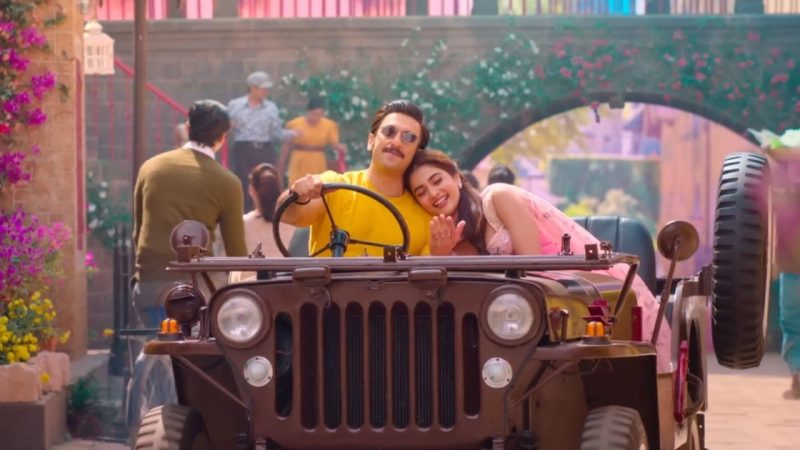
In addition to Sanjay Mishra and Siddhartha Jadhav, the rest of the cast of comedians in Cirkus fail to deliver comedic performances on par with their previous filmography. Despite their previous successes, this film is not likely to be remembered as a highlight of their careers. Ranveer Singh, who is known for his eccentric and energetic performances in films like Simmba and Sooryavanshi, seems out of place in this film and appears to be going through the motions as if fulfilling a favor to Rohit Shetty. The rest of the cast’s performances are unremarkable and do not stand out.
Rohit Shetty has reportedly received feedback that Cirkus is better than his 2006 film Golmaal. It is unclear why this might be the case, as the film lacks the humor and entertainment value of the original. Shetty tries a range of gags and jokes, from physical comedy involving a hand stuck in a car door to setting someone’s behind on fire, but these efforts ultimately fall short. It is disappointing that people who may be trying to please Shetty by giving positive feedback are misleading him and hindering his potential as a filmmaker who creates films for a mass audience.
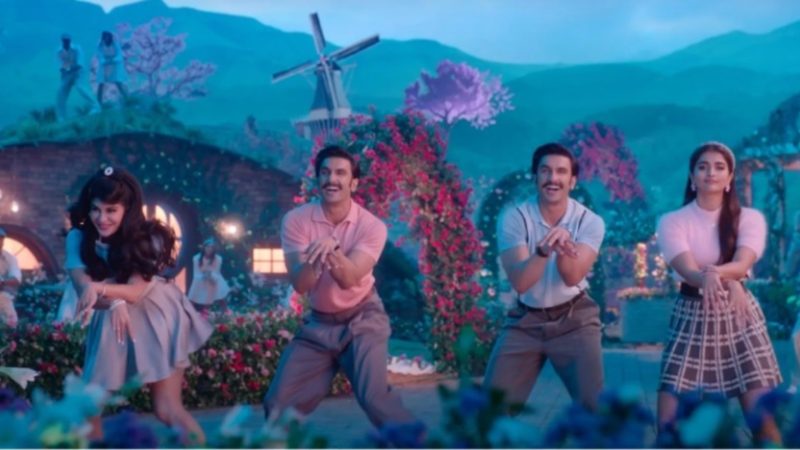
Rohit Shetty’s films are not known for having particularly memorable songs, but the ones in Cirkus are particularly forgettable. Out of the three songs in the film, only one, “Current Laga,” which was featured in the trailer, stands out. The other two songs do not leave a lasting impression.
In conclusion, Cirkus, directed by Rohit Shetty and starring Ranveer Singh, is a film that is both overstuffed with ideas and yet fails to nourish the viewer with genuine humor or entertainment. Despite its attempt to pack in a lot of content, the film does not have much to offer in terms of laughter or enjoyment. It fails to engage the audience and keep them interested.


