

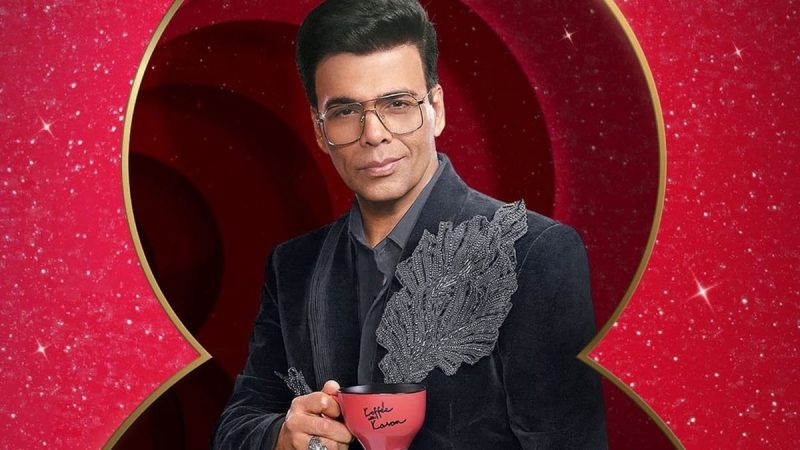





In “Rocky Aur Rani Kii Prem Kahaani” (RARKPK), Karan Johar brings forth a quintessential masala film, complete with opulent settings, emotional family values, love, heartbreak, and dazzling dance sequences. Returning to the director’s chair after a seven-year hiatus since “Ae Dil Hai Mushkil,” Johar’s comeback creates much anticipation and high expectations. However, while the film does exude the grandeur characteristic of his cinema, it falls short with its overly preachy and never-ending romantic saga. In this review, we’ll delve into the film’s strengths and weaknesses, discussing its portrayal of characters and the storyline.
Unraveling the Premise
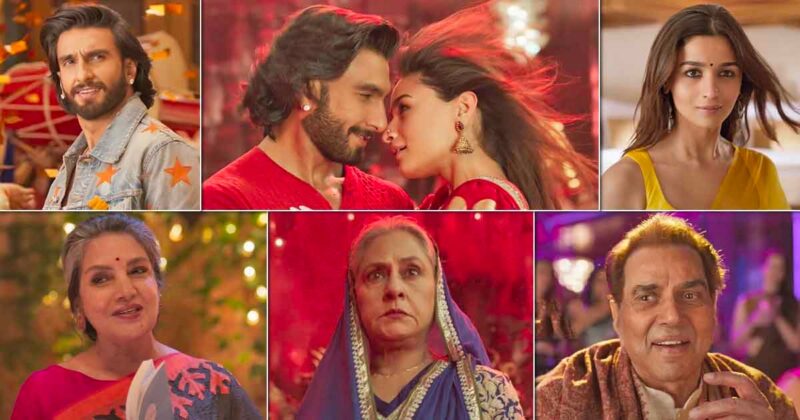
The film narrates the love story of Rocky Randhawa (Ranveer Singh) and Rani Chatterjee (Alia Bhatt), belonging to two contrasting families with a shared history. The story revolves around their attempts to reunite their grandparents, Kanwal (Dharmendra) and Jamini (Shabana Azmi), who had a past affair. To convince their families about their love, Rocky and Rani decide to swap households for three months. However, what follows is a roller-coaster ride of ups and downs, hardships, misunderstandings, and moments of self-realization.
A Slow Start and Uneven Pacing
At a runtime of 168 minutes, the film suffers from unnecessary stretches that make the first half particularly tedious. Viewers may find it challenging to remain engaged during the initial sequences, as the love story between Rocky and Rani appears rushed and inadequately developed. The film could have benefited from a more measured and smoother progression of their relationship, allowing the audience to connect with their love story on a deeper level.
Stellar Performances Amidst Flaws
Despite its shortcomings, “Rocky Aur Rani Kii Prem Kahaani” boasts some commendable performances. Ranveer Singh shines in his flamboyant portrayal of the Punjabi “launda,” while Alia Bhatt impresses as the ambitious TV journalist. Both actors exhibit convincing chemistry, especially in emotionally charged scenes, effectively portraying the complexities of love and relationships.
Jaya Bachchan’s Memorable Role
Jaya Bachchan’s role as the strict matriarch adds depth to the film. With her remarkable acting skills, she brings out genuine laughs and stands apart from her previous characters in other Bollywood films. Dharmendra, although limited in dialogues and screen time, leaves a pleasant impact with his presence. Shabana Azmi’s finesse in acting is on full display, and she perfectly complements Dharmendra in their shared scenes.
Music and Nostalgia
One aspect that truly shines in “Rocky Aur Rani Kii Prem Kahaani” is its music. The film pays homage to classic Bollywood tracks, evoking a sense of nostalgia and adding to its old-world charm. Tracks like “Jhumka” and “Dhindhora Baje Re” provide a perfect backdrop for party scenes, while “Tum Kya Mile” and “Ve Kamleya” tug at the heartstrings. Baba Sehgal’s iconic track “Aaja Meri Gaadi Mein Baith Jaa” is also brilliantly incorporated into the narrative.
Preachy Undertones and Overused Messaging
One area where the film falters is its heavy-handed preaching. While addressing important social issues is commendable, “Rocky Aur Rani Kii Prem Kahaani” tends to overdo it, taking away from its essence as a love story and family drama. The inclusion of too many social messages and stereotypical portrayals, such as ridiculing Kathak dance, can feel forced and distracting.
In conclusion, “Rocky Aur Rani Kii Prem Kahaani” presents a grand spectacle of love and family values, but it suffers from pacing issues and an excessive focus on preachy messaging. The film boasts stellar performances from its lead cast, with Ranveer Singh and Alia Bhatt delivering captivating acts. The music and nostalgic elements add a delightful touch to the overall experience. Nevertheless, a more balanced approach to storytelling and a restraint on the messaging would have elevated the film to greater heights. Overall, it remains a must-watch for fans of Karan Johar’s signature style, even though it falls short of being a timeless classic.


