














Salman Khan is known for his inimitable style, and his latest film, ‘Kisi Ka Bhai Kisi Ki Jaan’, directed by Farhad Samji, showcases it to perfection. In one of the film’s most memorable scenes, Salman Khan recites a verse from the Bhagavad Gita, demonstrating his character’s belief that humanity transcends differences in religion, caste, and creed. This sentiment runs throughout the film, which centers around four brothers, their girlfriends, and the people in their lives.

While the film has received mixed reviews, Salman Khan’s performance has been praised for its sincerity and depth. He brings his signature charm and charisma to the role, and his dialogue delivery is impeccable. In fact, Salman Khan’s dialogue is one of the standout features of the film, with his character’s belief in the unbreakable bond of brotherhood inspiring others to recognize the importance of this connection.
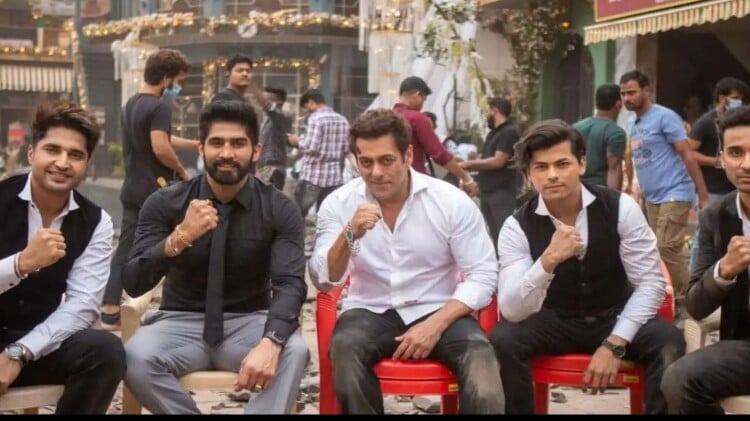
One of the most impressive aspects of ‘Kisi Ka Bhai Kisi Ki Jaan’ is how it elevates the status of Salman Khan’s previous film, ‘Bachchan Pandey’, which was also directed by Farhad Samji. After watching ‘Kisi Ka Bhai Kisi Ki Jaan’, ‘Bachchan Pandey’ seems like an even better film, as Farhad Samji’s direction and Salman Khan’s acting shine through.

Salman Khan has been known to release his films on Eid, and while this can attract a large audience, it can also be a source of disappointment for fans who would prefer to celebrate the holiday. ‘Kisi Ka Bhai Kisi Ki Jaan’ is Salman Khan’s fourth Eid release, and while it may have some flaws, it showcases Salman Khan’s talent and dedication to his craft.

In conclusion, ‘Kisi Ka Bhai Kisi Ki Jaan’ may not be a perfect film, but it is a testament to Salman Khan’s abilities as an actor and Farhad Samji’s talent as a director. The film’s message of brotherhood and unity is inspiring, and its portrayal of the importance of family and relationships is heartwarming. Ultimately, it is a film that is sure to resonate with audiences, and one that is worth watching for Salman Khan’s performance alone.


